Why Your Partner’s Mood Changes Yours (And What Helps)
Your partner’s mood can change yours before either of you realizes it. A personal reflection on emotional co-regulation and caring for each other without taking over.
 By Andy Uhlig · 5 min read
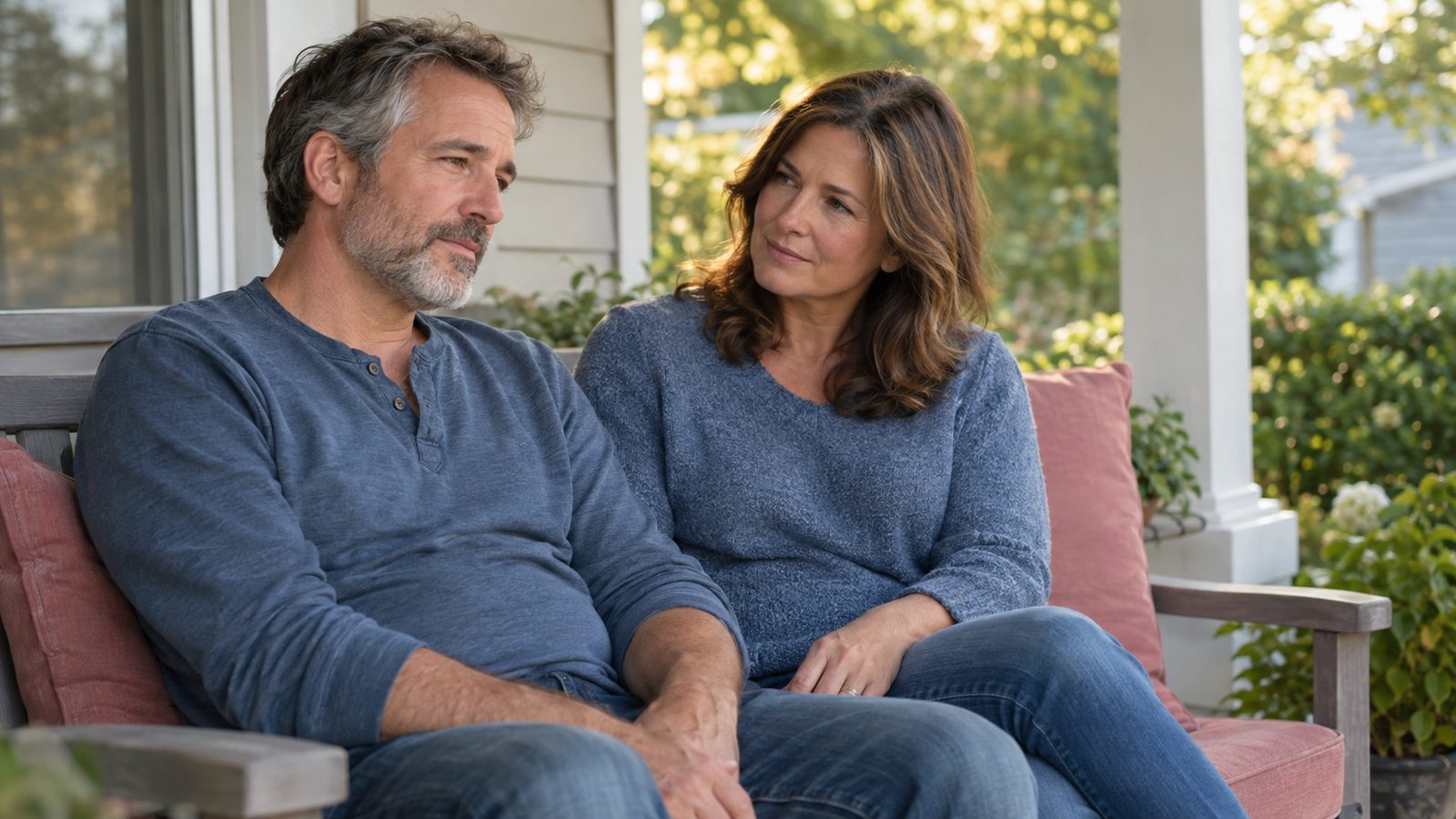
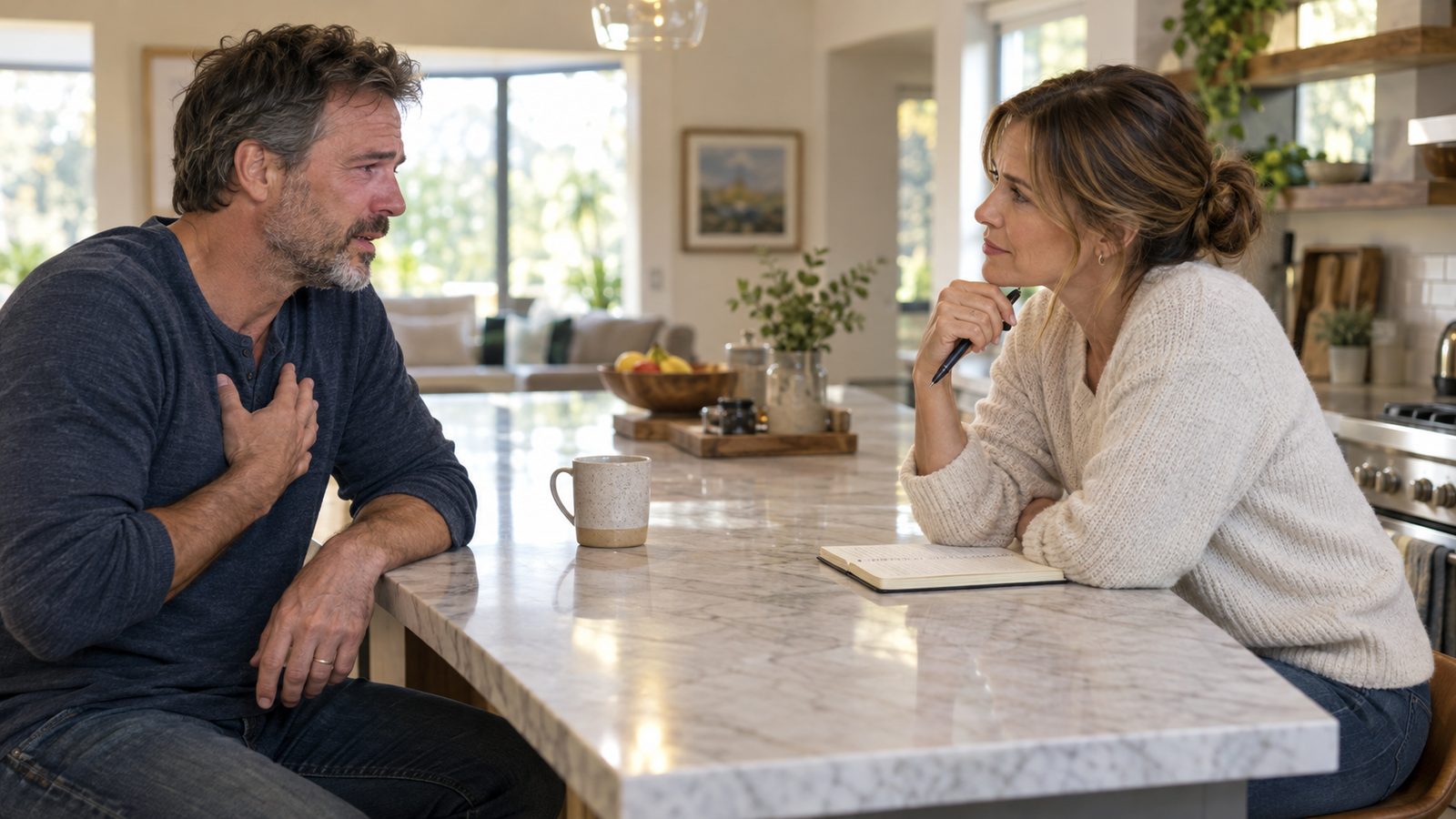
You were having a pretty good day. Then your partner came home, answered your question with a tight “Fine,” and suddenly you weren’t feeling so good anymore.
Nothing terrible had happened between you. But now you were irritated, worried, or wondering what you’d done wrong.
Think about the opposite, too. You come home carrying something heavy, and your partner looks up with genuine warmth. The problem hasn’t disappeared, but you no longer feel quite so alone with it.
I’m currently reading Dealing with Feeling by Marc Brackett, and it is inspiring me tremendously to look more deeply at these moments. Not only how I manage my own feelings, but how I recognize what I might be doing to someone else’s.
Especially the person I love.
We affect each other, even when we don’t mean to
In the passage I’ve been reading, Brackett describes healthy co-regulation as intentionally responding to another person’s emotions in a helpful way while also managing our own.
That word “intentionally” matters. Snapping at your partner certainly affects their feelings. It doesn’t mean you’re helping them regulate those feelings. You may simply be reacting.
What interests me is the opportunity between those two things: noticing the influence we’re already having, then becoming more thoughtful about it.
A sigh can be heard as disapproval. Silence can be mistaken for indifference when someone is actually trying to find the right words. Before long, we’re responding to what we think the other person means, rather than understanding what’s happening.
I explore these everyday exchanges more fully in my video, Why Your Partner’s Mood Changes Yours (And What Helps), including a personal experience that helped me see this differently.
A moment from when I was fourteen
When I was fourteen, I ran away from home. My father had died after being sick with cancer for two years, and during his illness I had been failing miserably at school.
When I came home, my stepmother, who has since passed away, accused me of running away only to hurt her even more after losing her husband. She was not the loving and hugging kind of person, and that encounter was not a moment of comfort.
I equated what she said with being labeled a failure. I responded quietly, “I am going to show you that I am better than this.”
After that, I excelled in school. Straight A’s.
I can be proud of that achievement without deciding that being made to feel like a failure was what I needed. A better report card doesn’t automatically make the emotional experience healthy.
Looking back, I can see influence moving both ways. My running away affected her, and her response affected me. I can’t know everything she was feeling, and recognizing the impact of my actions doesn’t mean accepting her accusation about my intention.
It also doesn’t mean we had equal responsibility. I was fourteen. She was the adult. It was not my job to manage her grief.
Her loss mattered, and mine mattered, too.
Address the problem without making your partner the problem
A marriage isn’t a parent-child relationship. But that memory makes me think about how easily we can turn a painful moment into a judgment about someone.
“I felt alone when you didn’t call” gives us something to talk about. “You only care about yourself” asks the other person to defend their entire character.
Accountability matters. If I’ve hurt you, I need to hear it. But we can take the behavior seriously without treating it as the whole person.
We can address what happened without making someone feel they have to prove they’re worthy of care.
And intention isn’t the whole story. I may not have meant to hurt you, but I can still care about how my words landed.
Support doesn’t mean taking over
Some qualities in Brackett’s healthy co-regulation list stayed with me: curiosity, warmth, comfort, empathy, and allowing another person to experience their feelings and make their own choices.
Applied to a partnership, those ideas feel very different from trying to make someone stop being upset so we can feel comfortable again.
Your partner’s disappointment doesn’t always need a correction. Their worry doesn’t always need an immediate solution. Sometimes being understood is the part that’s missing.
That doesn’t make you responsible for keeping them happy. You can be caring and still disagree, have limits, or need space yourself. Healthy support isn’t one person permanently managing the other person’s reactions.
It also includes making room for joy. Looking up when your partner brings good news is another opportunity to meet them with care.
One question to carry into the week
When a conversation starts feeling tense, consider this:
“Am I making room for my partner’s feelings, or just trying to make those feelings go away?”
You don’t have to get the answer right every time. Noticing the difference is a place to begin.
Where this goes from here
In coaching, I help couples look at the patterns between them and find more helpful ways to meet each other in difficult moments. The goal isn’t a home where nobody gets upset. It’s a relationship where neither person has to hide their feelings to remain worthy of love.
And if your relationship involves fear, threats, or abuse, this is not an invitation to get better at keeping your partner calm. Your safety and individual support come first.
Where is your marriage right now?
Here is something to help you figure out where you are.
The Drift Check: Where Is Your Marriage Right Now?
A free, 10 minute private reflection to help you get clear on where your marriage is at right now. The Drift Check is a 12 question, 1-5 rating, yes or no type of assessment that will help you know if you are close, drifting or further apart than you would like to be. Take The Drift Check on your own or with your spouse. Get it by joining the free Close Again Community in Skool https://linktwin.co/tmvyky. See description below.
Want to go deeper?
I run a free community called Close Again on Skool, made for couples who want to understand why drift happens and what it takes to feel close again. It’s a classroom of short video lessons you can watch at your own pace, plus a community of couples doing the same work.
And if you’d rather just talk, you can book a free 30-minute call with me. No pressure and no pitch. Just a conversation about where you are and whether coaching makes sense for you.
This post is for education, not therapy. If your marriage involves abuse, threats or safety concerns, please reach out to a licensed professional or the National Domestic Violence Hotline at 1-800-799-7233.